The Active Sitting Method · Seated Point Release
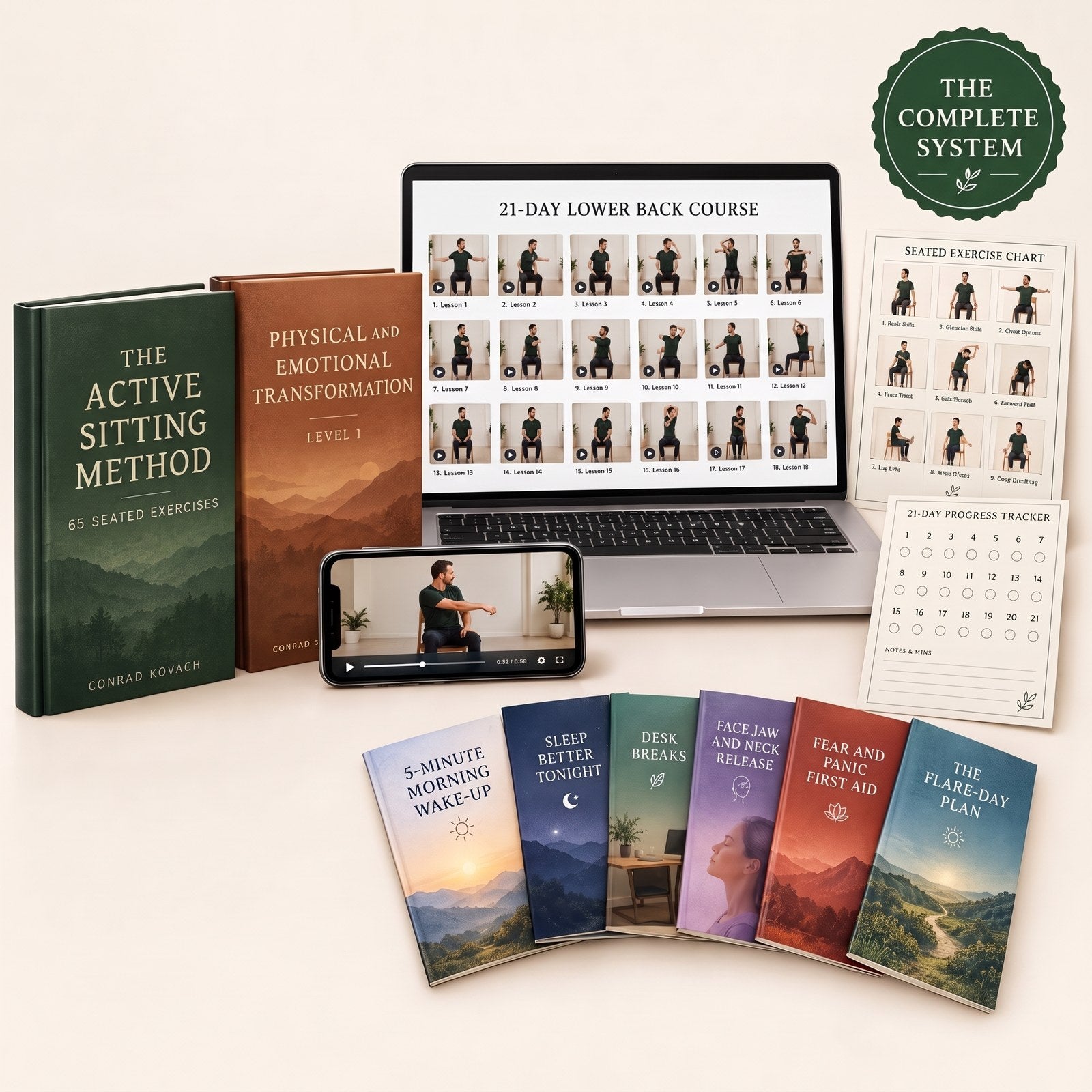
Six points you press with your own fingers, in the chair you already sit in. Learn it from the illustrated books, or follow Conrad lesson by lesson on video. Digital, from $37, yours to keep.

Before you read another word, watch
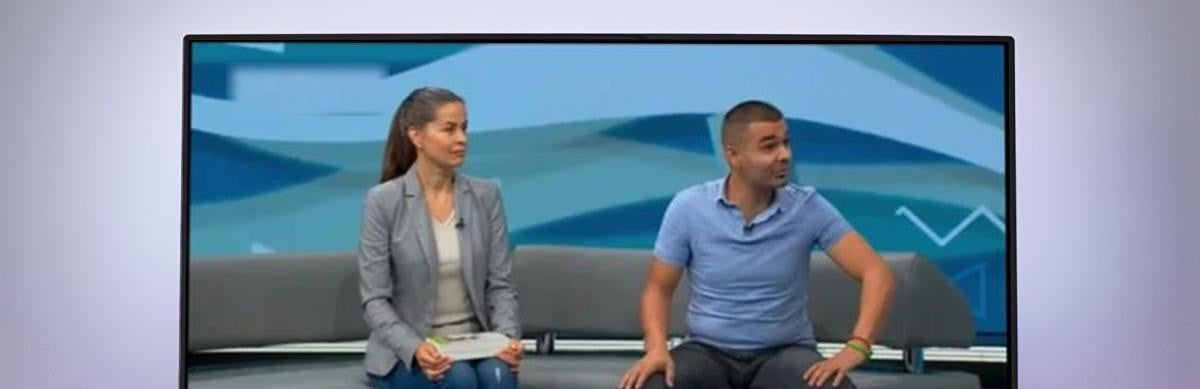
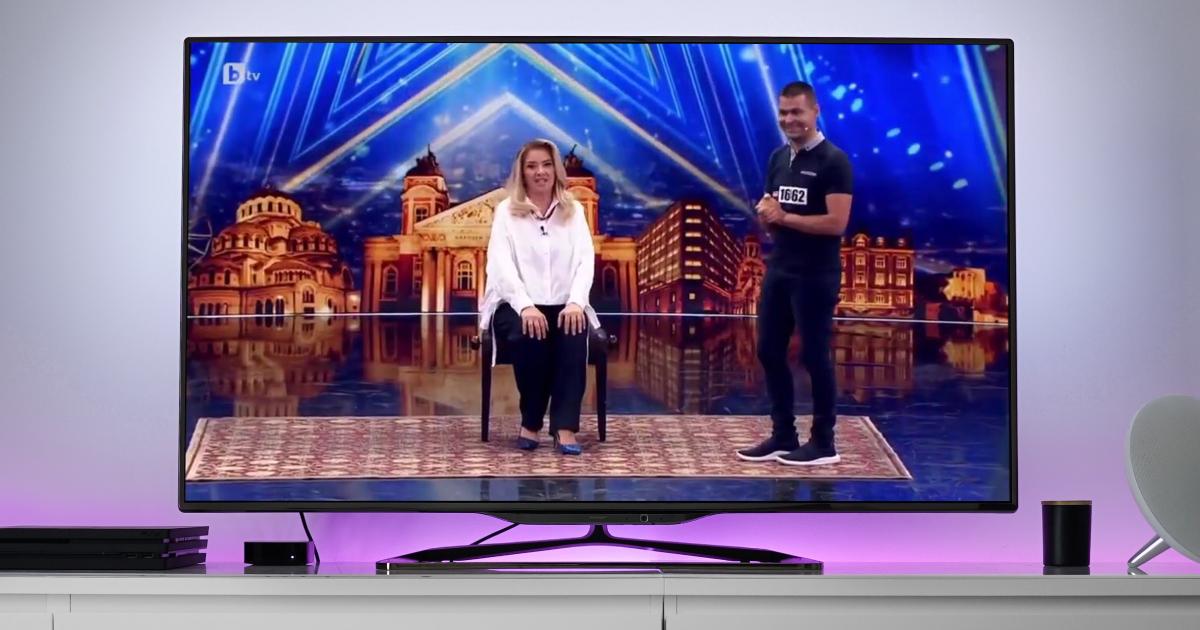
On national television, in front of a live audience, Conrad found one point on a stranger. She pressed it herself. Then the presenters tested the same arm again. Dubbed into English.
A simple movement test: how far does the arm go, where does it stop, what does it feel like.
Conrad shows the spot. She presses it herself, a few seconds, breathing out. Nobody does it to her.
The same movement, seconds later. Watch her face, not the presenters.
Excerpt from a national television demonstration, edited for length with the original order kept. This is a shoulder release from the wider method, not a lower-back result and not a review of this product. Individual experiences vary.
Short clips from live sessions, in English. A test, one point pressed, the same test again. The books and the video course teach you to do this to yourself.
“You go ahead. I'll stay here.”
Conrad's working model, from Book 1
“Can my lower back hurt without my having discopathy? The answer is: yes, it can. The most common cause is reduced tone of the gluteal muscles.” That is how Conrad opens the question in Book 1. Here is the model he works with, in his own terms.
Three types of muscle tone as Conrad describes them in Book 1 (pp. 17–18, 38). His working model from 23 years of testing, not a diagnosis.

Head bent forward over a phone, and the body reads it as “prepare for a forward roll”: it reduces the tone of the back muscles. Conrad tested people before and after just three minutes in that position. Some muscles had turned weaker, others tenser, and the change stayed after they sat up straight. (Book 1, pp. 53–54)

“If one muscle has reduced its tone and works at 20% of its capacity, another muscle will be overstrained and will work at 120%, but only for a short time. The pain will appear in the overstrained muscle, and not in the one that is weaker.” (Book 1, p. 38)

“If we treat the overstrained muscle, we will get only temporary relief, and the pain may even move, so that another muscle begins to suffer. This is also the source of the confusion when we go for a massage and afterwards feel worse.” (Book 1, p. 38)

The weak muscle is worked with pressure on specific points so that it functions again. Conrad's example is the abdominal muscle and the lower back: “Once we have done it for 3–5 seconds, the strength of the abdominal muscle jumps from 20% to 100%.” (Book 1, pp. 38, 66–67)
Conrad's rule is that the place where it hurts is in most cases not the true cause (Book 1, p. 66). Seen through that rule:
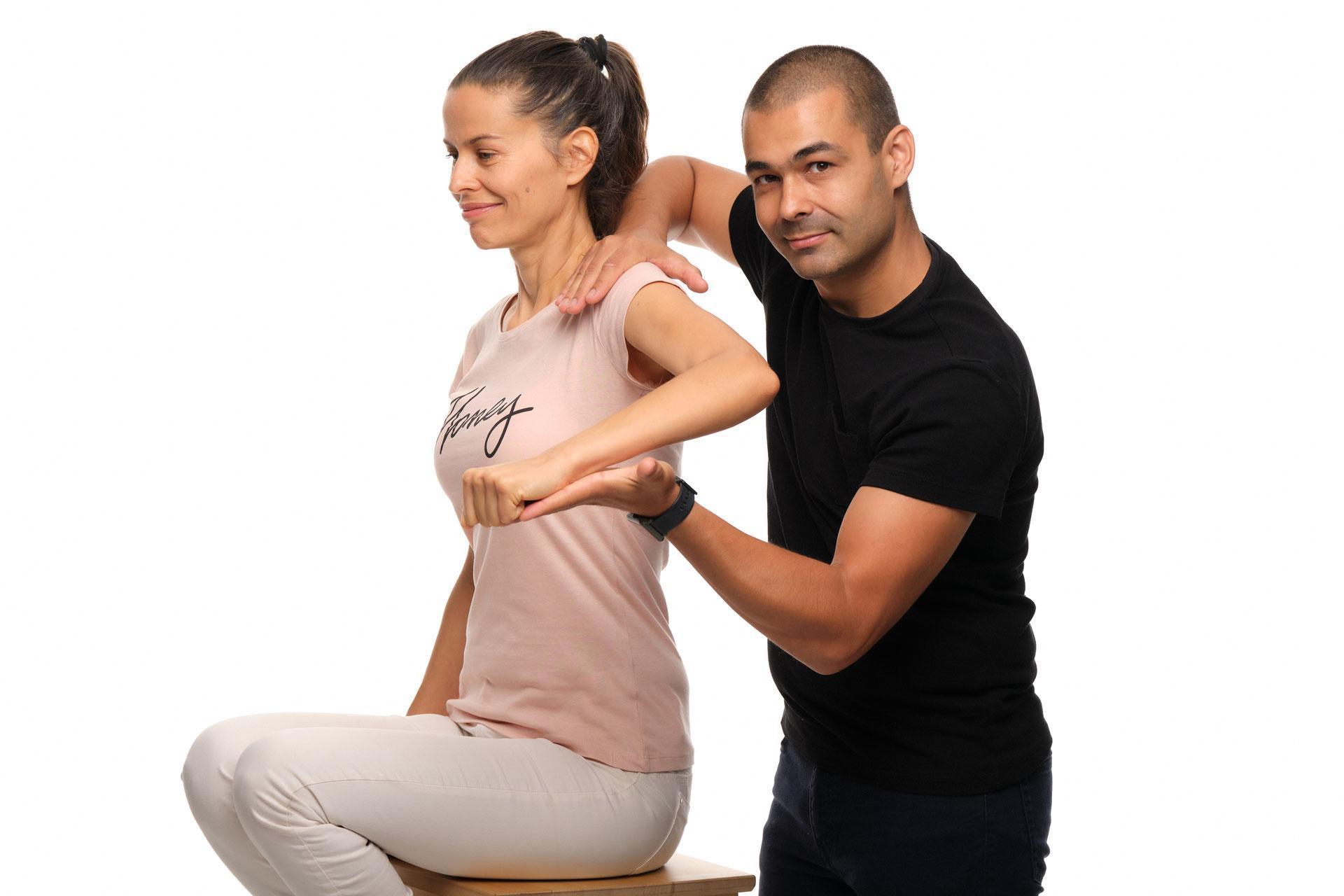
We call it the Seated Point Release, our name for the way Conrad teaches it: “muscles that are in spasm and overstrained are stretched and tapped, while muscles with reduced tone are worked with trigger points that make them function at 100%” (Book 1, p. 37). Frames from the book:


One of the points connected with the muscles of the lower back (Book 1, p. 144): side of the waist, just above the hip bone. In the 21-day course you press three such points on each side on Day 1, rate each from 0 to 10, and press the same six on Day 19 to compare. Tender on one side and quiet on the other is the usual first finding.
No machine measures it. No therapist tells you. Your own fingers do.
Where it hurts

Eight hours in a chair switch off the deep stabilisers. The big muscles clamp to hold you up. You stand up in two stages.
The six lower-back points and the Fists on the Lower Back wake the deep layer. The two sitting fixes stop the switch from tripping again.

Head forward over a phone, a clenched jaw, a tight chest. Tension travels in a chain and shows up far from the cause.
The neck line, the jaw point and the temples stop the chain at the top. The shoulder blade and the “Scary” exercise free the first rib.

Fine on holiday, stiff again on Monday. In Conrad's testing, when fear or irritation stay above 4 on a 0-to-10 scale, the vagus nerve goes into spasm and muscle tone weakens (Book 2, pp. 104–107).
PET Level 1: ten techniques, six two-week modules, a few minutes morning and evening. Fear and Panic First Aid for the acute moment.
A closer look at the Complete System
Book 1 alone is package 1 ($37). Both books are package 2 ($67). The Complete System adds the 18-lesson video course, the self-test, the tracker and the sixth bonus for $30 more.

| Brace | Pills | Chiropractor | Physical therapy | Saved videos | Active Sitting | |
|---|---|---|---|---|---|---|
| Reaches the cause | No | No | A day or two | With a therapist present | Random | Yes |
| You do it yourself | You wear it | You take it | No | No | Without order | Yes, in order |
| Time per day | All day | Minutes | 1 hour + drive | 1 hour + drive | Unclear | 10 to 20 minutes |
| Cost over 3 months* | $40 to $80 | $30 to $90 | $600 to $1,500 | $1,200 to $3,000 | $0 | $37 to $97 once |
| You know if it worked | No | No | You're told | You're told | No | Your own numbers, Day 1 vs Day 19 |
*Typical US out-of-pocket ranges, not quotes. Your costs vary with insurance and location.
Real people. Their own words.
Recorded in their own language and dubbed into English with their own voices. What you hear is what they said. These are individual experiences with the original practice, not reviews of the English package.
The worst for me was my neck and shoulders. I could not turn like this. I have visited massages, Bowen therapy. Improvement, then the same. Now I feel so wonderful I sometimes don't believe it.
After working at a computer for four years the body aches became indescribable. I wake up happy now, not depressed.
After a complex spinal surgery I had to find a way to get back on my feet. Two years now. I feel alive, I feel mobile.
My left shoulder was going numb, my fingers were getting cold. With this exercise, where we press right here, the numbness disappears instantly.
For me everything is about taking responsibility for oneself. Both in the physical practice and in working with the emotions.
Thirteen years at a bank, eight hours at a desk. Pain in my neck, shoulder blades, lower back. It doesn't just affect my physical body, but the emotional one too.
Sciatica pain all the way down my leg, completely stiff. I started the exercises and by the third day I was already stepping on my leg.
I could not find a comfortable sitting position. When I started the exercises my body straightened up. The lower back pain went away and I had a lot of energy.
Public comments, translated as written, initials only. Each links to the original. They speak about the method; the English package is new.
I bought your book, then another as a gift for a friend. That same night I managed to free my right arm from the pain and stiffness in the shoulder. Two courses of pills and one course of rehab, result: a round zero. By morning my arm was in excellent health.
Original comment ↗The exercises help. They activate muscles and tendons to work properly. I bought the program, I was among the first hundred or so. Herniated disc in the neck. The exercises work, but you need consistency.
Original comment ↗Yes, don't doubt it! First I bought the books. Then I went to the live training! I do it every day, the pains go and you're charged with energy for the whole day.
Original comment ↗I've followed you for years! Every morning I get up thanks to you! I have sciatic nerve inflammation and paresis in my left leg.
Original comment ↗I fixed my shoulder pain with your exercises. Be well, young people!
Original comment ↗Thank you very much. For 2 months I walked around in pain, now I'm fine.
Original comment ↗Every morning I do the Active Sitting exercises and I go for walks almost every day. I feel wonderful.
Original comment ↗I finally hit the exercise that helps me a lot. I practice it every day, together with the other Active Sitting exercises.
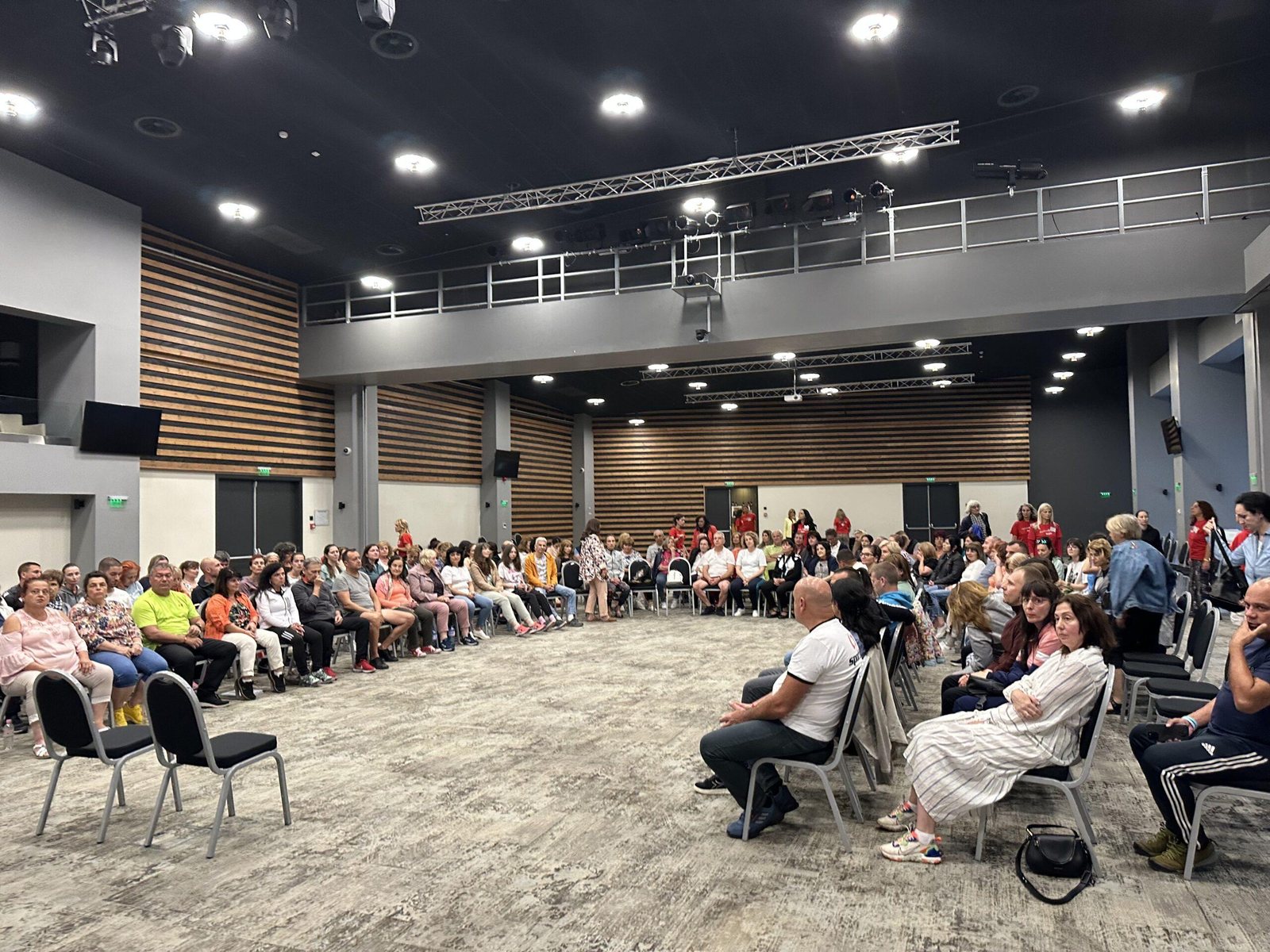
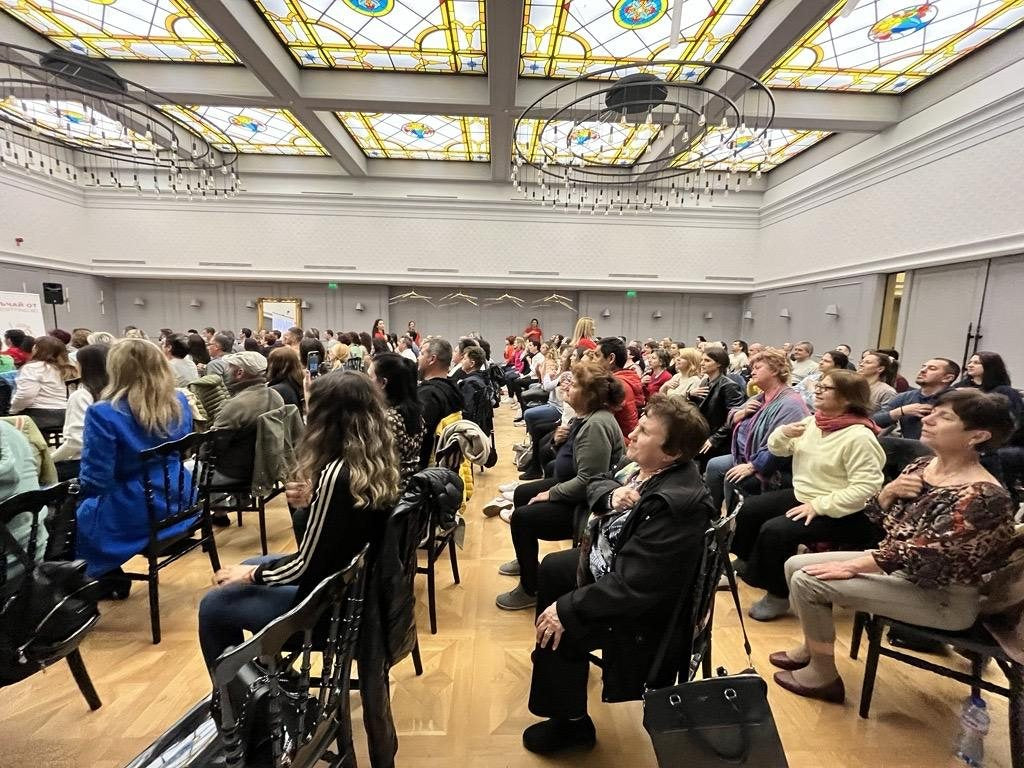
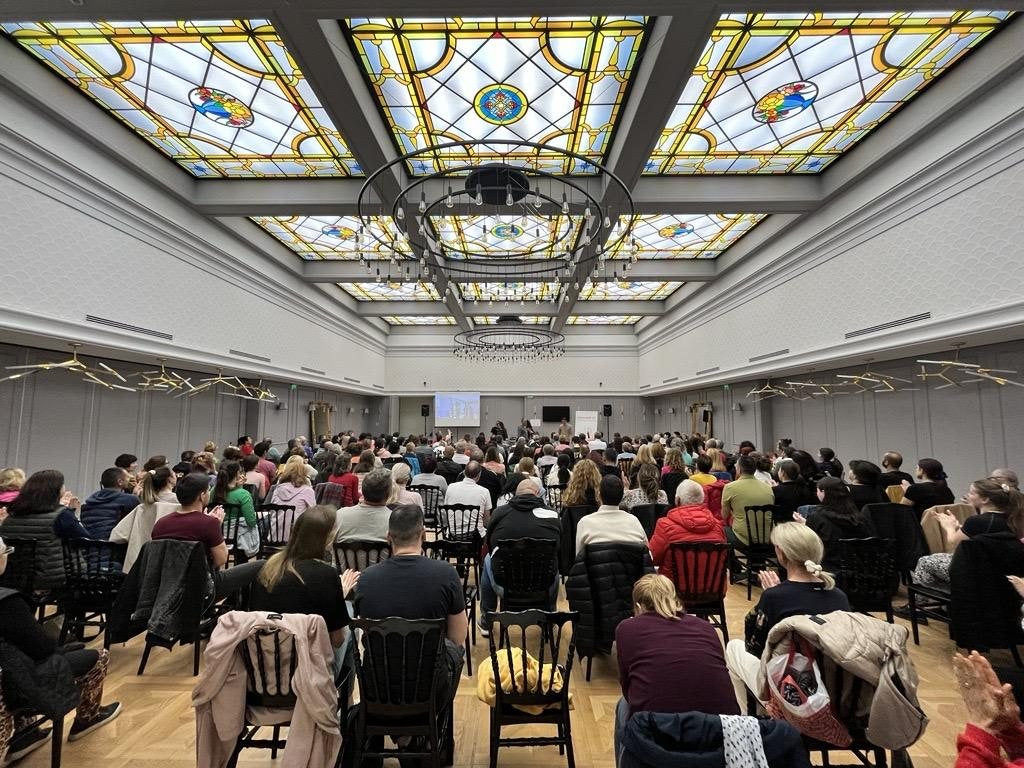
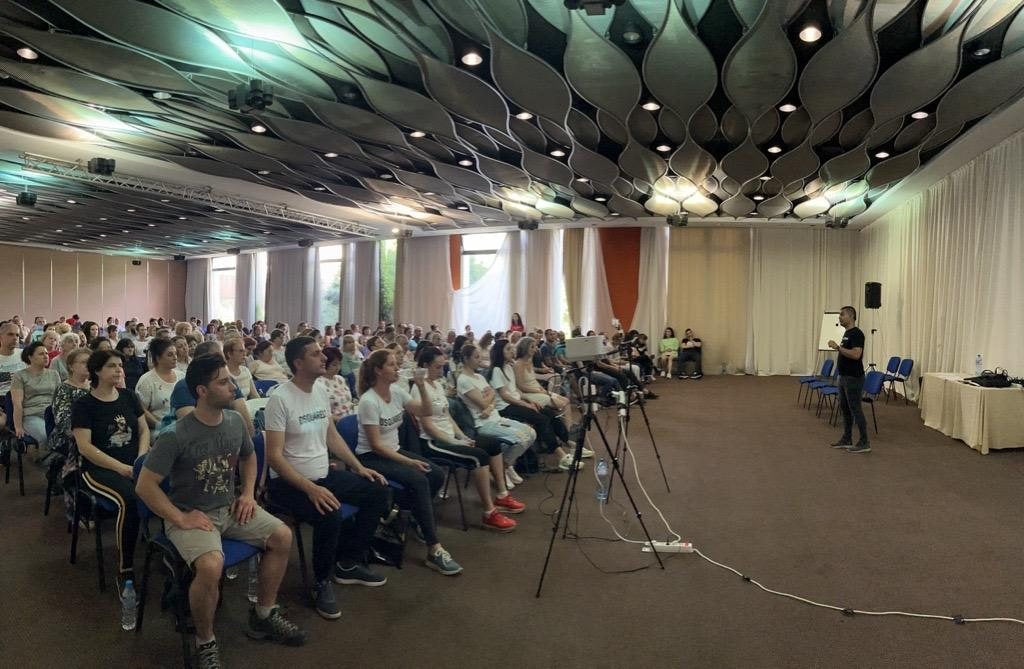
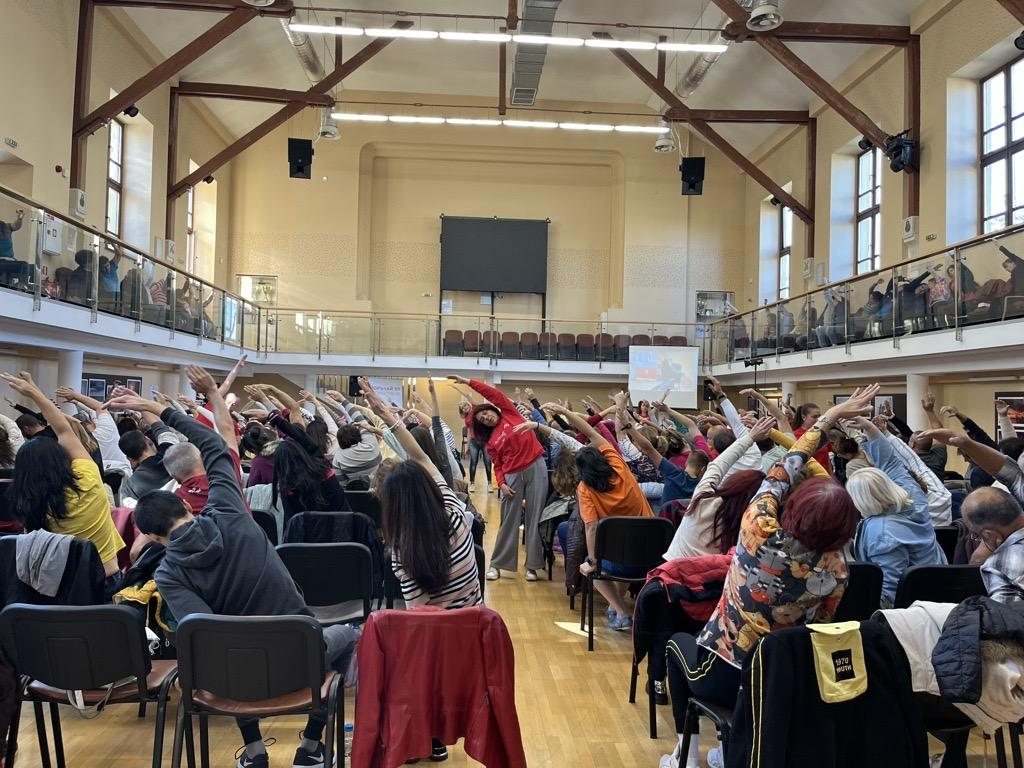
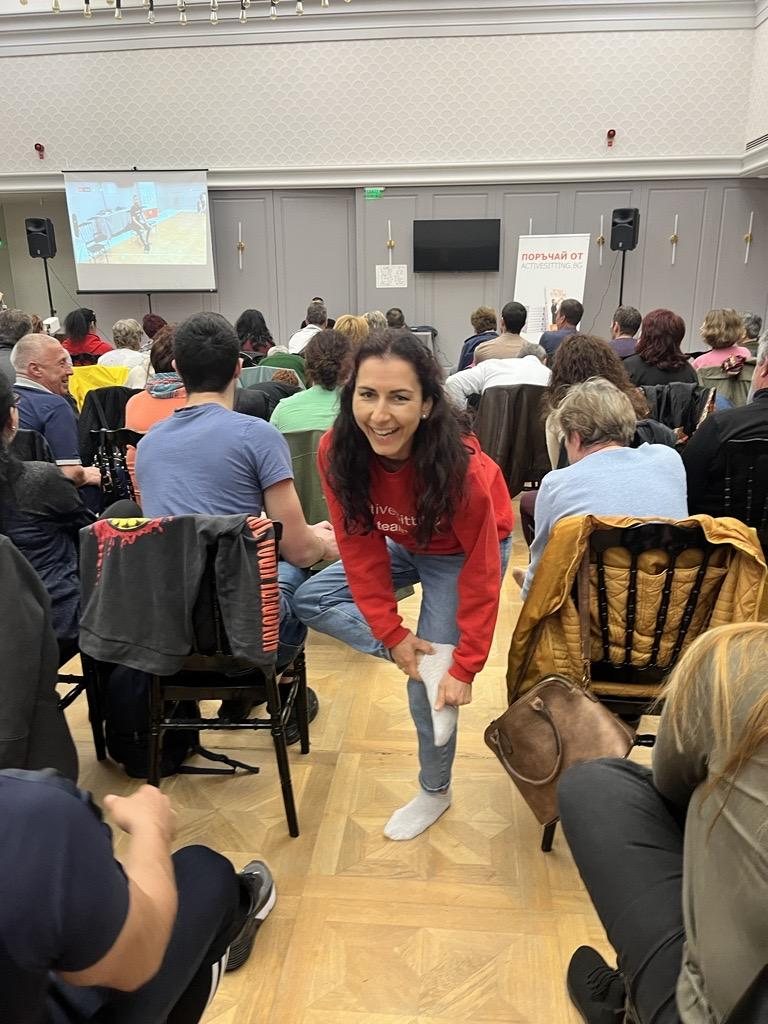
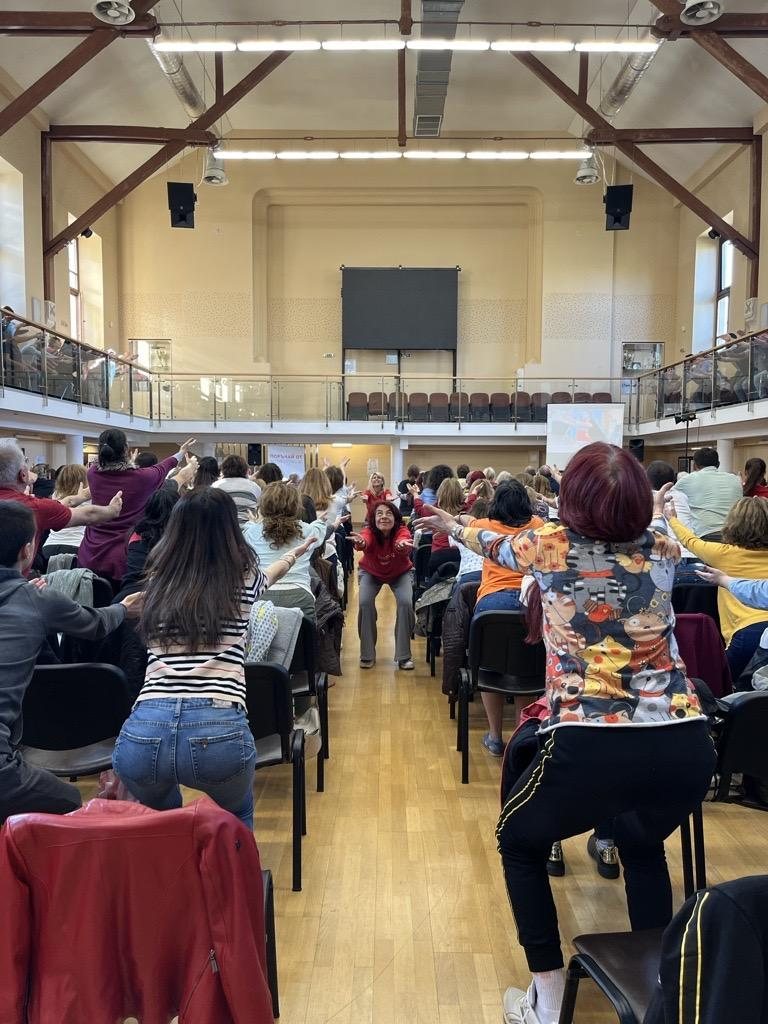
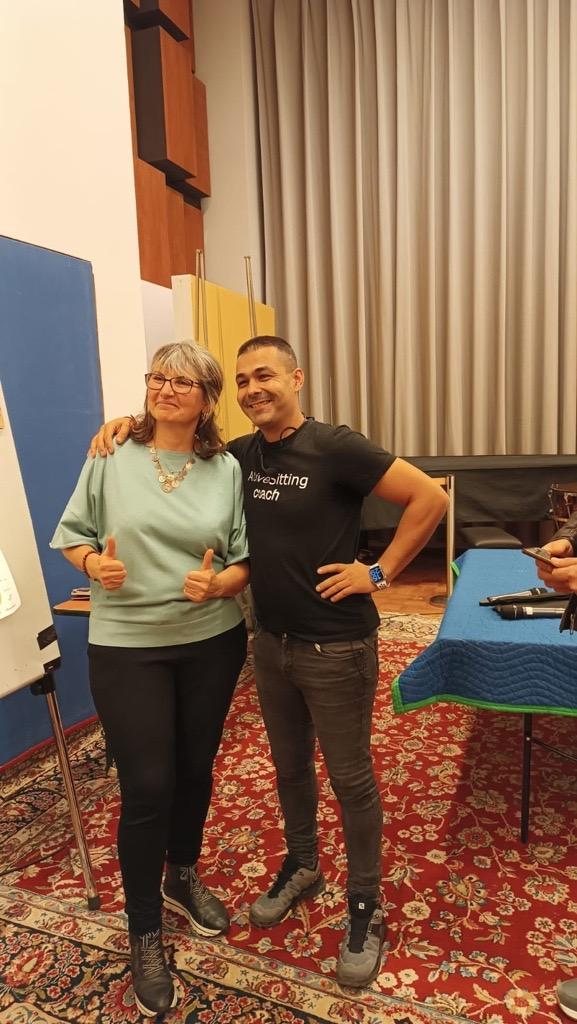
Original comment ↗In 2024 Conrad took the method on a tour through seven cities. Every stop was a hall like these: a few hundred people, each on an ordinary chair, pressing the same points you will learn. Actual photographs from those rooms.


Who is Conrad Kovach
Twenty-three years ago he was a young kinesiotherapist with a bad back, wrists that hurt from his own work, and a drawer of painkillers that did nothing. Thirteen years after he first hurt his lower back hanging wallpaper for a friend, it still came back every spring and autumn. One summer, driving, his whole leg went numb to the toes. He tried the one thing he had not tried: a technique on the abdomen, with his own hand, at a red light. The numbness let go before the light changed.
Then a 90-year-old man who had walked bent for years after falling through lake ice straightened up in one session. His secret was ten minutes of movement every morning for decades. That is where this method comes from: not a clinic, a chair, and ten minutes.
He is not a doctor. He is the person who has pressed more backs than anyone you will meet, and who wants you to learn to press your own. He will tell you when to see a physician.
Choose your package
Press the points, do the ten minutes, open every bonus. If your back does not feel different, or you are not happy for any reason within 90 days, email support and you get every dollar back. What you downloaded stays with you.
Conrad KovachThe questions you're already asking
A folder is not a sequence. Book 1 gives you 65 exercises with the points, the order and the cautions, and the daily complex of about 15 to 20 minutes (p. 39). The Complete System adds Conrad on video and a self-test on Day 1 and Day 19.
Conrad writes that each technique “brings an immediate effect on the corresponding part of the body” and that the programme works “from the very first time you do it” (Book 1, p. 39). What he asks for is doing it every day; where the cause is emotional, twice a day (pp. 37, 42). Individual experiences vary.
Lilia in the video above is 79. A muscle wakes up at 80 the way it does at 40. If you can sit in a chair, you can do this.
Everything is seated, at your own pace. No floor work, no weights, no jumping. If you have numbness with weakness, loss of bladder or bowel control, a recent surgery or injury, a pacemaker, or you're pregnant, talk to your physician before you start. This is a movement method, not a medical plan.
Book 1 has a section on exactly this (pp. 43–44): with bone spurs, discopathy or a herniated disc the exercises are done within the limits of comfort, without abrupt movements. The practice works on the muscles around the segment, not on the disc. If your doctor has told you not to move, listen to your doctor.
Package 1 is Book 1, the physical method. Package 2 adds Book 2, the PET emotional programme. The Complete System adds the 21-day video challenge with 18 guided lessons, the self-test, the tracker, the Setup Card and all six bonus guides. It is $30 more than package 2.
Digital only. Book 1 and Book 2 are illustrated guides you read online or download as PDFs. The Complete System adds the video lessons. Nothing ships, nothing to plug in.
Right after checkout you land on your access page, and you get an email with a private access link. Phone, tablet or computer. Lifetime access, no subscription.
Eighteen video lessons cover the 21-day challenge. The Flare-Day Plan and the Day 13 tapping practice are written guides with pictures.
No. He is a kinesiotherapist with 23 years of hands-on practice and a national television demonstration. He will tell you when to see a doctor.
Email within 90 days, full refund, any reason. You don't have to finish the 21 days to ask. You keep what you downloaded.
P.S. The 90-year-old man who fell through the ice did not have a better spine than you. He had ten minutes every morning and a body that had never been allowed to go to sleep. You cannot buy his decades. You can start his ten minutes tomorrow, seated, with the exact points shown to you. If your numbers have not moved by Day 19, you get every dollar back.
Choose your package · from $37